
Everyday symptoms
Lower Back Pain: Self-Care, Red Flags and Recovery
Most back pain improves within weeks. Learn what speeds recovery, which movements help and the red flags that need prompt care.
By the WheelHouse Health team Updated October 20, 2026 4 min read
Why your back hurts
The most common cause is a muscle or ligament strain from lifting, twisting, a sudden movement or long hours sitting. Other causes include worn discs, arthritis in the spine, a bulging disc pressing on a nerve (sciatica, with pain running down the leg), and, rarely, infection, fracture or cancer.
Stress, poor sleep and inactivity can make back pain feel worse and last longer, which is why a whole-person plan works better than painkillers alone.

Self-care that speeds recovery
- Keep moving. Short, frequent walks are better than staying in bed.
- Heat for 15 to 20 minutes eases muscle spasm; some people prefer ice in the first day or two.
- Pain relief. Ibuprofen or naproxen (if safe for you) or acetaminophen, following the label.
- Gentle stretches, such as knee-to-chest and cat-cow, within comfort.
- Sleep position. A pillow between your knees (side) or under them (back) can help.
- Ease back into work and exercise, rather than waiting until the pain is completely gone.
Most people do not need an X-ray or MRI for new back pain. They often show age-related changes that are not the cause, which can lead to worry and unnecessary treatment.
Recovery and preventing the next episode
Once the worst has passed, a few habits make a big difference:
- Strengthen your core and hips two or three times a week.
- Lift with your legs, keep the load close and avoid twisting.
- Take a movement break every 30 to 45 minutes when sitting.
- Keep a healthy weight and stay active most days.
If pain lasts more than four to six weeks, physical therapy and a review of your work setup usually help.

How we can help
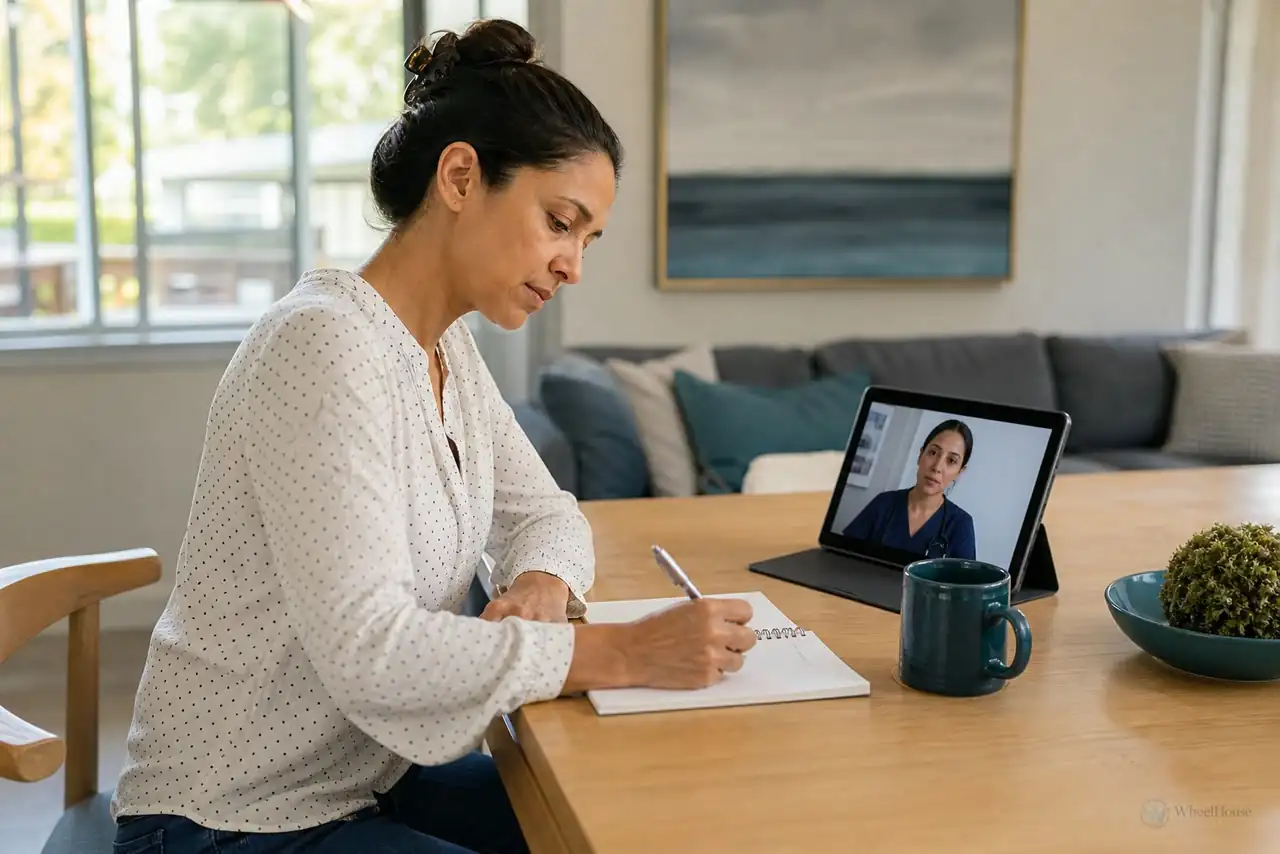
We assess your back, check for nerve involvement and red flags, and build a plan to get you moving again. That can include medicine, exercises, a physical therapy referral and, for some persistent joint or soft-tissue pain, regenerative and joint care. Many back pain visits work well by video, and we see you in Woodbridge when an exam is needed.
Have these ready
- When the pain started and what you were doing
- Where it hurts and whether it travels down a leg
- What you have tried and how much it helped
Questions people ask
Should I rest in bed with back pain?
No. A day of taking it easy is fine, but long bed rest slows recovery. Gentle movement is best.
When do I need an MRI for back pain?
Usually only with warning signs, worsening nerve symptoms, or pain that has not improved after six weeks of good care, especially if surgery or injections are being considered.
Is sciatica serious?
Most sciatica improves on its own over weeks. Leg weakness, numbness in the groin or bladder problems are warning signs that need urgent care.
Talk it through with Lydia
Back pain slowing you down? Let us get you moving again. See a board-certified nurse practitioner virtually anywhere in Virginia, in our Woodbridge office, or straight to your front door in much of Northern Virginia.
Visits start at $85, and every membership comes with a 30-day trial.
Prefer to ask first? Text us at (571) 402-2102 or message us on WhatsApp.
Get simple health tips by email
Practical, seasonal health tips and reminders from our nurse practitioner, about once or twice a month.